
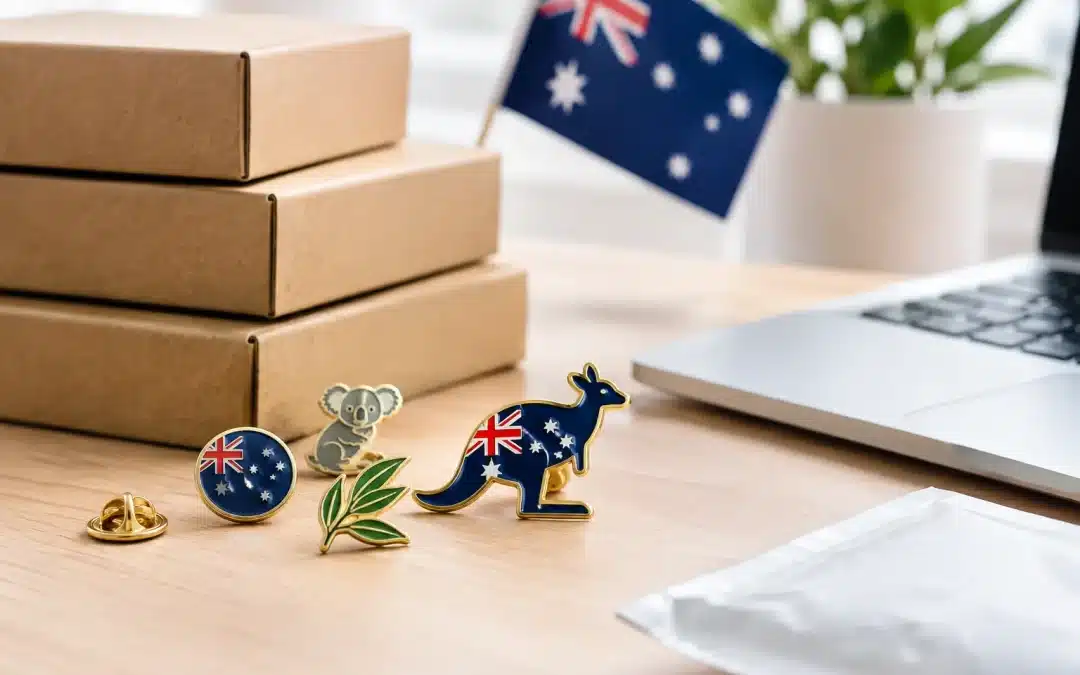
A lapel pin might be small, but it has a big job to do. It can identify a team, reward achievement, promote a campaign or give supporters something worth keeping. Before choosing colours, shapes and finishes, most buyers ask one practical question: what are the custom pin minimums?
The answer depends on the pin you want to create. Custom pins are manufactured specifically for your artwork, so a minimum order quantity helps cover the setup required to turn an approved design into a finished product. For Australian businesses, schools, clubs and event organisers, the best result usually comes from matching the order quantity to the real purpose of the pin, not simply ordering the smallest possible run.
What Custom Pin Minimums Actually Mean
A custom pin minimum is the lowest quantity available for a particular pin style, size and production method. It is not a random barrier. Each custom order requires artwork preparation, production setup and quality checks before the full run can be made.
For die-struck enamel pins, the process may involve creating a custom mould or die from your design. Printed pins need their own artwork preparation and print setup. Acrylic, PVC and 3D pins each have different manufacturing steps, too. This is why the minimum for one product can differ from another, even when the artwork looks similar.
Minimum quantities also protect the value of your order. When setup is spread across more pins, the unit price usually comes down. A larger run can make sense when you are supplying a conference, recognition program, fundraiser, school house group or sporting club over a full season.
The right question is not only, What is the minimum? It is also, How many pins will we genuinely use, and what quantity gives us the strongest value per piece?
Why Custom Pin Minimums Vary by Style
The pin style you choose has a direct impact on the minimum order and price. A straightforward printed pin may suit a colourful logo, detailed illustration or photographic artwork. It is often a practical option for promotional campaigns where fast, clear branding matters most.
Die-struck enamel pins have a more traditional, premium feel. Raised metal lines separate the colours and add definition to logos, crests and commemorative designs. This style is popular for corporate recognition, membership programs, anniversary merchandise and polished event giveaways, but its tooling requirements can make the production setup more involved.
Acrylic pins can be a smart choice for bright artwork, bold shapes and lighter promotional pieces. PVC pins are flexible, tactile and well suited to playful designs, mascots or outdoor-themed branding. If you want depth and sculpted detail, a 3D pin may be the right fit. Each option has its own production pathway, so the most suitable minimum will follow the product rather than a single fixed rule.
Size matters as well. A small round lapel pin uses less material than a large custom-shaped piece, while extra colours, cut-outs, multiple attachment points, magnetic backs and presentation gift boxes can change the final quote. None of these choices are problems. They simply need to be considered together so the finished pin fits your budget and purpose.
Choosing the Right Quantity for Your Order
Start with the people who need the pins now, then allow for the people who may need them later. A club ordering pins for registered players may also need extras for coaches, volunteers, late registrations and replacements. A business planning an awards night may want spare pins for new starters or future presentations. Ordering a modest buffer at the beginning is often more economical than placing a second small production run later.
For an event, work from attendance rather than ticket sales alone. Include speakers, organisers, sponsors, volunteers and VIP guests. If pins are part of a welcome pack or sold as merchandise, consider whether some attendees will buy more than one. A limited-edition design can become a keepsake, especially for milestones, reunions, charity campaigns and major sporting events.
Marketing teams should also consider how long the design will stay current. If your logo, campaign message or event date is likely to change soon, a smaller run may be the sensible choice even if the unit price is higher. On the other hand, an evergreen company logo, school crest or association emblem can justify a larger quantity because it can be used across several months or years.
There is no benefit in filling a cupboard with dated stock. There is also little benefit in ordering too few and paying fresh setup costs when demand returns. Good quantity planning sits in the middle: enough stock to give the pins real reach, without creating unnecessary leftovers.
How to Get Better Value Above the Minimum
Once you meet custom pin minimums, the price per pin generally improves as quantities increase. That does not mean every order needs to be huge. It means it is worth comparing a few sensible quantity breaks before making a decision. The difference between an order for one group and an order that covers the next intake, event or season can be smaller than expected on a per-unit basis.
Keep the artwork focused if affordability is the priority. Clean shapes, clear colour areas and readable text generally produce a stronger pin than a crowded layout, particularly at smaller sizes. A good custom pin should be recognisable at a glance from a shirt, blazer, lanyard or bag.
Choosing one attachment type across the full order also keeps things simple. A standard butterfly clutch works well for many lapel pin applications. A magnet attachment is useful where fabric protection is a priority, while other fittings may suit name badges, uniforms or display pieces. The best attachment depends on how and where the pins will be worn.
Packaging is another useful decision point. Individual polybags can suit bulk promotional distribution, while presentation boxes add impact for awards, executive gifts and commemorative pieces. You do not always need premium packaging, but it can be worthwhile when the unboxing moment is part of the recognition.
Get the Design Right Before Production Begins
A clear proof process is one of the most valuable parts of ordering custom pins. Before manufacturing starts, check that the logo, wording, colours, dimensions and attachment choice are correct. Review tiny text with care. What reads perfectly on a computer screen may need adjustment to remain legible on a compact pin.
Pantone colour matching can help maintain brand consistency, especially for corporate logos, school colours and established campaigns. Where exact colour is important, provide the relevant colour references with your artwork. If you only have a JPG, PNG or a rough concept, that is still a useful starting point. Experienced pin specialists can advise whether the design will work best as enamel, printed, acrylic or PVC.
At Lapel Pins Australia, a Free Digital Proof gives you the chance to see the proposed direction before the order proceeds. It is the ideal time to refine line thickness, simplify a detail, adjust the pin shape or confirm the finish. Changes are much easier before manufacturing than after the pins arrive.
When a Small Order Is Still Worthwhile
A smaller order can be the right commercial decision. You may be testing a new fundraising idea, producing pins for a small committee, creating a short-run event memento or launching merchandise with an unproven audience. In these cases, keeping the initial quantity controlled can reduce risk and give you useful feedback for the next run.
Be open about the purpose of the order when requesting a quote. If you need pins by a particular event date, want a low starting quantity, or are deciding between two materials, those details help shape the recommendation. Fast turnaround matters, but it should not come at the expense of approving artwork that is unclear or choosing a style that does not suit the design.
A custom pin works hardest when it is made to be worn, noticed and remembered. Choose a quantity that supports your campaign or community, allow enough time for a careful proof, and ask for options that balance quality with cost. Small Badge, Big Impact starts with an order that is planned for the people who will proudly wear it.