
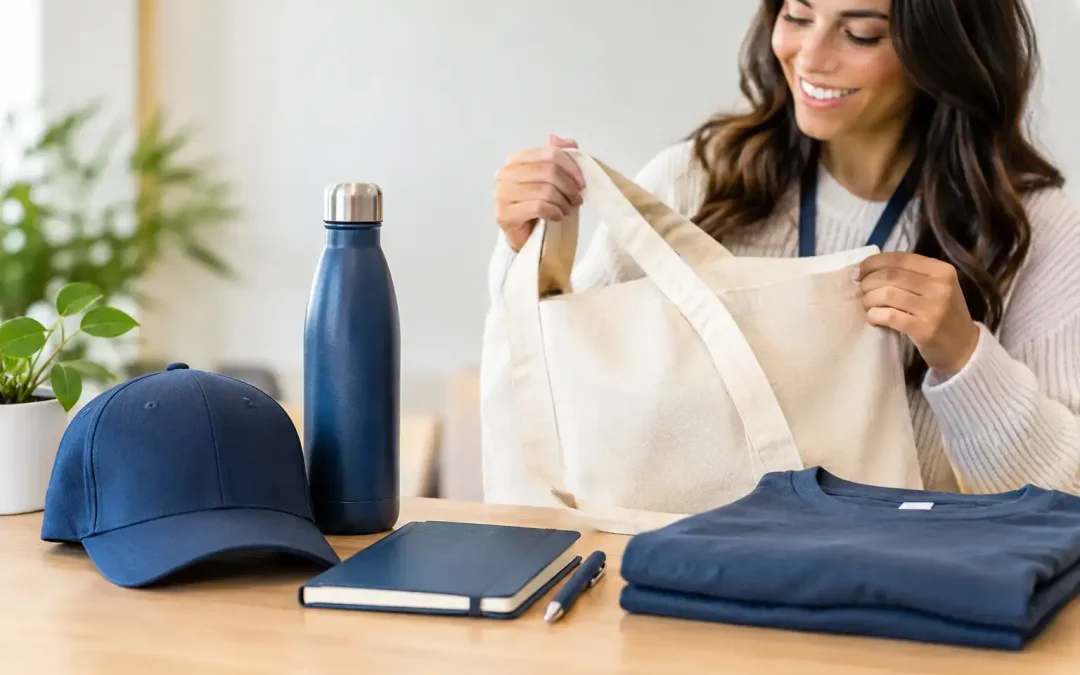
A crowded registration desk, a name badge, a tote bag full of flyers – these are familiar parts of an event. The difference between a forgettable giveaway and a genuine brand reminder is the event merchandise people choose to keep, wear or use after they leave. A well-made custom lapel pin can stay on a jacket, lanyard or cap for years. That is ongoing visibility well beyond a single event day.
For Australian businesses, schools, clubs, charities and event organisers, merchandise is not just an extra line item. It can support ticket sales, build membership pride, recognise sponsors, raise funds and give attendees something tangible to remember. The key is choosing products with a clear job to do, rather than ordering cheap items simply because they are available.
Start With the Purpose of Your Event Merchandise
Before selecting colours, quantities or products, decide what success looks like. A corporate conference may need a polished delegate gift that supports a premium brand image. A local sporting club might need affordable items for players, volunteers and supporters. A charity fun run may need a practical participant memento that also encourages donations and repeat attendance.
The right product changes with the occasion. Pins work especially well when you want a compact, collectable item that represents participation, achievement, membership or a campaign message. They are easy to distribute, inexpensive in volume and simple for attendees to wear straight away.
For events with a broader promotional goal, pair pins with practical branded products such as keyrings, fridge magnets, patches, bottle openers, scarves or beanies. This gives organisers options across different budgets without losing a consistent look.
A useful question is: what should attendees do with this item once they get home? If the answer is unclear, the merchandise may not earn its place in your event budget.
Choose Products That Match Your Audience
Merchandise should feel appropriate to the people receiving it. A formal association dinner calls for a different approach than a school fete or a junior footy presentation. The product does not need to be expensive, but it should feel intentional.
For corporate audiences, consider refined enamel lapel pins, presentation boxes and clean branded accessories. A small pin featuring an anniversary logo, event mark or sponsor emblem can look professional without becoming overly promotional. It is also a strong option for awards, staff recognition and VIP packs.
Schools, clubs and community groups often get the best value from colourful, durable items with a sense of belonging. PVC pins can suit bold mascots and playful designs, while embroidered patches, beanies and scarves can build team identity through the season. For fundraising, limited-edition designs can create urgency and give supporters a reason to collect more than one.
Public events need merchandise that is easy to understand at a glance. A bright, well-designed pin can act as a participation badge. It tells people, “I was there,” while displaying your brand in photos, around the workplace and out in the community.
Why Custom Lapel Pins Deliver Big Impact
Small Badge, Big Impact! Custom lapel pins are one of the most flexible event products available because they can be designed to suit almost any audience, message or budget. They are compact enough for high-volume distribution but detailed enough to carry a logo, date, mascot, campaign symbol or commemorative artwork.
Die-struck enamel pins are a popular choice when you want a classic, durable finish. Raised metal outlines give the design definition, while close Pantone colour matching helps maintain brand consistency. Printed pins are ideal for detailed artwork, gradients, photographs or fine text that cannot be easily recreated in enamel. An epoxy coating can add a smooth protective surface.
Acrylic pins offer a modern, lightweight option for colourful graphics and event artwork. PVC pins are soft, flexible and well suited to lively shapes or 3D elements. If the item will be attached to clothing where a pin post is not suitable, magnet attachments offer a practical alternative.
The best choice depends on your design, required quantity, budget and event date. A supplier should explain these trade-offs clearly, not push every customer into the same product.
Design for Recognition, Not Just Decoration
Event artwork needs to work at a small scale. A design that looks impressive on a poster can become difficult to read on a 30 mm pin. Keep the central message clear, use strong contrast and avoid trying to include every detail from your logo or event programme.
A recognisable event icon, a short name and the year are often more effective than a crowded layout. If sponsors need recognition, consider placing their branding on accompanying packaging, signage or a separate item rather than shrinking multiple logos onto one small badge.
Shape can also make a difference. Standard round, square and shield designs are reliable and cost-effective, while a custom outline can make a mascot, landmark or logo more memorable. The goal is not novelty for its own sake. It is to create an item attendees recognise immediately.
Free Digital Proofs are particularly valuable at this stage. They let you review layout, colours, spelling, proportions and attachment details before production starts. This protects your budget and gives your committee or marketing team confidence in the final result.
Plan Quantities and Timing Early
The most common merchandise problem is not the product itself. It is ordering too late or ordering an unrealistic quantity. Start by separating recipients into groups: registered attendees, volunteers, speakers, sponsors, staff, VIPs and items for sale. Each group may need a different product or presentation level.
Build in a small buffer for late registrations, replacement items and unexpected opportunities. Running out can be frustrating, but excessive leftovers can be costly unless the design has a longer life as club merchandise, a membership item or a future fundraising product.
Timing matters just as much. Custom merchandise involves artwork approval, manufacturing and delivery, so leave room for questions and proof changes. Fast turnaround is helpful when deadlines are tight, but early planning gives you more flexibility across finishes, packaging and quantity breaks.
If your event has a yearly date, consider creating a core design with a small annual variation. This can reduce design time, encourage collecting and make stock planning easier over time.
Use Merchandise as Part of the Event Experience
The strongest event merchandise is built into the experience rather than handed out without context. Present a commemorative pin at registration, include it in a welcome pack or award it at a key moment. For a charity event, a special pin can be given to major fundraisers, volunteers or participants who reach a milestone.
Scarcity can add value too. A numbered run, a limited colourway or a design available only to ticket holders can make an affordable item feel special. This approach works particularly well for anniversary events, reunions, festivals and sporting finals.
Presentation also affects perceived quality. A simple backing card can tell the story behind the item, recognise a sponsor or include a short thank-you message. A gift box can lift the impact of pins intended for speakers, award recipients or long-service recognition.
Keep Brand Consistency Practical
Your event may have a separate logo, but it still needs to sit comfortably alongside your organisation’s wider identity. Use approved colours where possible, keep typography consistent and make sure the merchandise suits the tone of the event. A playful school carnival can use bright, energetic graphics. A business awards evening usually benefits from restrained colours and a premium metal finish.
However, consistency does not mean every product needs the full logo printed at maximum size. Often, a simplified mark or event symbol looks better and is more likely to be worn. Good merchandise balances brand visibility with genuine appeal.
Lapel Pins Australia can help guide the choice of material, shape, finish and attachment, especially when you have a concept but are not sure how it will translate into a finished pin. With Australian-owned service and more than 20 years of experience, the focus is on making the ordering process clear from quote to approved artwork and delivery.
The item people keep is rarely the loudest or the most complicated. It is the one that feels useful, well made and connected to a moment worth remembering. Give your audience that reason to wear it, display it or pass it on, and your event will remain visible long after the last chair is packed away.