
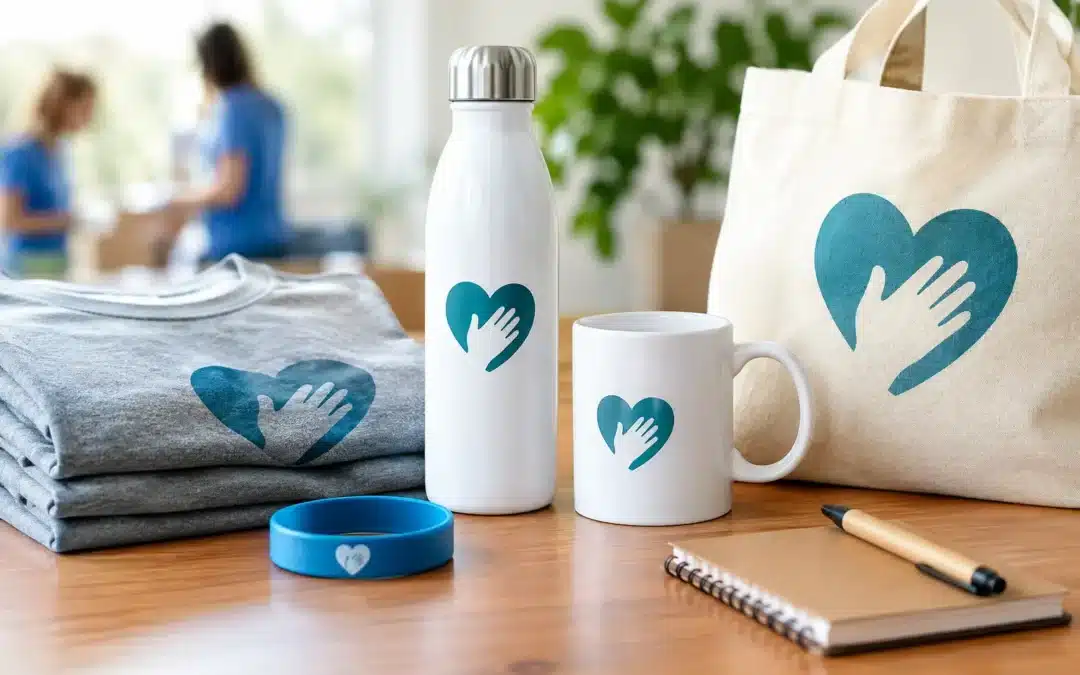
A raffle ticket is gone after the draw. A donated sausage sizzle is enjoyed by lunchtime. The right promotional products for fundraisers keep working long after the event, putting your cause in front of supporters at school, work, sport and around town. That makes custom merchandise more than a thank-you gift – it can be a practical revenue stream and a visible sign that people are proud to back your organisation.
For Australian schools, clubs, charities and community groups, the best result comes from choosing products people will genuinely use, pricing them with a clear margin, and making the design feel worth wearing or keeping. Small Badge, Big Impact! A well-made custom pin, keyring or magnet can do exactly that.
Start with the fundraiser, not the product
Before choosing colours, finishes or attachment types, be clear about what the fundraising campaign needs to achieve. Is the aim to raise the most money in one weekend? Build awareness for a charity appeal? Recognise participants at a fun run? Or give members a low-cost way to show club pride throughout the season?
A product that works brilliantly for a school P&C may not suit a formal gala. A $3 pin can be an easy add-on at a community event, while a premium numbered pin in a presentation box may suit a donor recognition program. The product, selling price and quantity should match the audience’s willingness to spend.
It also pays to think about where the item will be sold. Countertop items need to be simple to choose and easy to carry away. Online pre-orders allow more choice and higher-value products, but require a longer lead time and clear delivery arrangements. Event merchandise benefits from a design people can understand at a glance.
The best promotional products for fundraisers are useful or collectible
Fundraising merchandise has to earn its place. Supporters may happily donate once, but a product gives them an extra reason to act when it is useful, attractive or connected to a shared experience.
Custom lapel pins are a standout option because they are compact, affordable in bulk and highly collectible. They suit awareness campaigns, volunteer recognition, school houses, sporting clubs, commemorative events and membership drives. A pin can carry a logo, mascot, campaign ribbon, year date or short message without becoming bulky. It also travels well – on jackets, hats, lanyards, bags and display boards.
Keyrings, fridge magnets and bottle openers are strong everyday choices. They work especially well for local clubs, school fundraisers and community causes because they stay visible in homes and vehicles. Beanies, scarves and patches can be valuable for winter sport, supporter groups and outdoor events, although sizing, stock planning and a higher unit cost need more consideration.
When choosing, look at five practical factors:
- How likely supporters are to use, wear or display it.
- Whether the design can be recognised from a short distance.
- The margin available at a realistic selling price.
- How easy it is for volunteers to sell and distribute.
- Whether it has ongoing value after the fundraising date.
A limited-edition pin often performs well because it creates a sense of occasion without forcing buyers into a high spend. Add a year, event name or individual serial number for special campaigns where collectability matters.
Build a design people want to support
Fundraising designs should be clear, positive and easy to reproduce. A crowded logo with tiny text may look fine on a flyer but lose impact on a 25 mm pin. Start with one strong focal point: a mascot, emblem, ribbon, local landmark, team crest or campaign symbol. Then use supporting text only where it adds meaning.
Colour matters. High-contrast colours make a product easier to notice, while close Pantone colour matching helps established organisations stay on brand. For a cause with a recognised campaign colour, such as a health or awareness initiative, keep that colour prominent and let the rest of the design support it.
The finish changes the feel of the item. Die-struck enamel pins have a polished, durable look that suits logos and bold line art. Printed pins with an epoxy coating are useful for detailed illustrations, gradients, photographs or fine text. Acrylic and PVC options can create bright, playful shapes for schools, children’s events and mascots. If you are unsure, a supplier should guide you based on your artwork, budget and deadline.
Do not underestimate the attachment either. A standard butterfly clutch is dependable for most lapel pins, while a magnet attachment is popular for supporters who do not want to pierce clothing. Presentation boxes can lift a commemorative item into a donor gift or award without changing the core design.
Price for a healthy margin without making it awkward
The cheapest product is not always the best fundraiser. If an item feels flimsy, supporters may hesitate to buy it or avoid using it afterwards. At the same time, a premium product can be difficult to move if your audience expects an affordable contribution. The sweet spot depends on your supporters and the story behind the campaign.
Work backwards from a sensible retail price. Include the manufacturing cost, freight, any event costs, payment processing and a small allowance for unsold stock. Then check that the final price feels simple and fair. Round figures are easier for volunteers to explain at a stall and easier for buyers to decide on quickly.
Offering two price points can help. For example, an affordable standard pin gives every supporter a chance to contribute, while a larger premium pin or gift-boxed edition gives committed donors a higher-value option. This approach is particularly effective for anniversary years, representative teams and charity events with participants, spectators and sponsors in the same audience.
Pre-orders reduce risk when quantities are uncertain. They are ideal for apparel and more expensive products, but can also build anticipation for a limited-run pin. For a walk-up event, order enough low-cost items for impulse purchases and keep premium stock deliberately limited.
Make the merchandise part of the campaign
A great product still needs a clear reason to buy. Tell supporters exactly what their purchase helps fund: new uniforms, medical research, transport for a community program, school equipment, animal care or a club facility upgrade. Specific outcomes feel more real than a general request for support.
Give the item a campaign identity as well. Rather than selling a generic badge, position it as the official 2026 fundraiser pin, the volunteer appreciation pin or the commemorative event badge. This creates pride and gives people a reason to collect it now rather than later.
At events, display one large sample where people can see the detail. Volunteers should know the price, the purpose and one short line about the product. Something as direct as, “Every $10 pin helps fund new junior training equipment,” is easier to sell than a long explanation.
For school and club communities, encourage visible participation. Ask staff, coaches, committee members and captains to wear the product first. When supporters see familiar people wearing a pin or using a keyring, it becomes social proof rather than just another item on a table.
Allow enough time for a polished result
Custom products need planning, particularly around major school terms, sporting finals, Christmas appeals and large community events. Artwork approval, production and delivery all take time, and last-minute changes can narrow your options. Starting early also gives you time to collect pre-orders and promote the finished design before stock arrives.
A free digital proof is valuable because it lets your committee check spelling, colours, layout and scale before production begins. Have one person coordinate feedback so the approval process stays tidy. Confirm quantities, delivery timing and attachment options at the same time, rather than assuming every detail will be sorted later.
For many organisations, bulk ordering gives the best unit cost, but do not over-order simply because the price drops at a larger quantity. Consider the size of your supporter base, the selling period and whether the design will date quickly. A timeless club pin can be sold across several seasons; an event-specific badge is best ordered more carefully.
Turn a small product into lasting support
The strongest fundraisers leave supporters with something tangible: a badge of belonging, a reminder of an event, or a small everyday object connected to a cause they care about. Choose a product that suits your people, give it a design they will be proud to show, and make the benefit of every purchase clear. With the right custom merchandise and reliable production guidance, a modest item can keep your fundraiser visible long after the collection tin is packed away.