
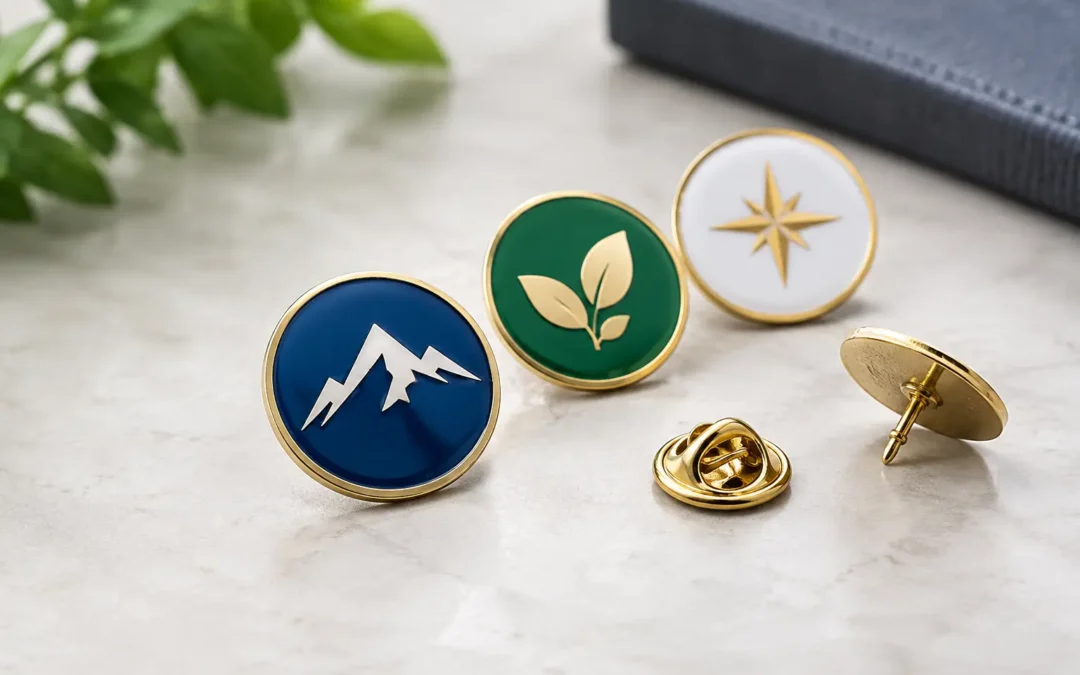
A lapel pin may be small, but it often represents a big occasion: a staff milestone, club membership, school achievement, fundraising campaign or corporate event. Pin finish durability matters because a badge that chips, scratches or loses its shine too quickly can weaken that polished first impression. The right finish helps your design keep doing its job long after the event banners come down.
For bulk custom pins, the best option is not always the most expensive one. It is the finish that suits how the pins will be worn, handled, stored and displayed. A commemorative pin kept in a presentation box has different requirements from a staff badge worn every weekday on a uniform.
Why pin finish durability affects your order
Durability is about more than whether a pin looks good when it arrives. It covers how well the colour, metal surface, protective coating and attachment cope with real use. Pins may rub against lanyards, jacket lapels, bags and other badges. They may be packed tightly for an event, carried outdoors in Australian heat, or handed out to hundreds of people in a single day.
The finish also affects perceived value. Smooth enamel and a clean metal outline can make a simple logo feel premium. A scratched coating or a loose clutch can make even an excellent design feel less considered. When you are ordering for a business, school, association or sporting club, that impression travels with your name.
A durable finish does not mean a pin is indestructible. Fine jewellery-like plating can still mark if it is constantly knocked about, while clear coatings can eventually show wear under heavy daily use. The goal is to choose a practical combination of materials and finishes that fits the occasion and budget.
Comparing pin finishes for durability
Hard enamel for a smooth, polished surface
Hard enamel pins are filled and polished until the coloured areas sit level with the metal lines. This creates a smooth finish that feels substantial and is well suited to corporate recognition, premium merchandise and pins intended to be kept for years.
Because the enamel is set into the metal shape, hard enamel performs well against everyday handling. It is a strong choice when your artwork has bold colour blocks and clean outlines. Very small text or highly detailed artwork may need a different production method, so the design should guide the decision as much as the desired finish.
Soft enamel for texture and definition
Soft enamel leaves the colour sitting slightly below the raised metal borders. Those raised lines protect the coloured areas to a degree and give the pin a tactile, traditional lapel badge look. It is a popular option for clubs, schools, charity campaigns and promotional giveaways because it balances impact, durability and value.
Soft enamel can show signs of wear on high points if it is frequently rubbed against hard surfaces. For standard event and membership use, however, it is a dependable all-round choice. A clear epoxy coating can be added where extra surface protection is preferred.
Epoxy coatings for printed designs
Printed pins are ideal where a logo includes gradients, photographs, fine details or colours that cannot be separated neatly with metal lines. An epoxy dome covers the printed face with a clear protective layer, helping shield the artwork from moisture, scuffs and regular handling.
The trade-off is that epoxy is a clear coating rather than a metal or enamel surface. Over a long period, particularly with prolonged sun exposure or rough use, it can scratch or change appearance. It is excellent for indoor events, campaigns, name badges and detailed promotional graphics, but it is not always the first pick for a pin expected to live on a workwear uniform for years.
Plating choices and exposed metal
Gold, silver, antique finishes, black nickel and other metal plating options set the tone of a pin and influence how marks are noticed. A bright finish gives a crisp, premium contrast around enamel colours, while antique plating is more forgiving of minor surface wear because its darker detail is built into the look.
For a classic, long-wearing design, keep exposed metal areas broad enough to be seen and avoid making them overly delicate. Highly polished plating looks impressive, but a matte or antique finish can be the smarter choice for hands-on environments, outdoor groups or pins distributed in large quantities.
What causes lapel pin finishes to wear?
Most finish issues come from use conditions, not manufacturing faults. Pins carried loose with keys or coins can scratch. Pins worn on a backpack strap or thick jacket may twist and catch. Moisture, sunscreen, salt air and repeated contact with perfume or cleaning products can also affect the appearance of metal over time.
Australian conditions deserve consideration too. A pin used for an outdoor event in summer, a coastal sports club or a field-based workforce faces more heat and moisture than a pin handed out at an indoor conference. For these orders, simplicity helps: solid enamel colours, a protective coating where appropriate and a secure attachment are often wiser than an intricate, high-polish design.
Storage matters after distribution. Presentation boxes, backing cards and individual polybags reduce pin-on-pin contact during transport. They also make the item feel more considered when it is presented as an award, thank-you gift or retail product.
Design choices that improve durability
A durable custom pin begins with artwork that is designed for the production process. Fine lines can be beautiful, but they are more exposed to damage and may not reproduce cleanly at a very small size. Increasing the pin size slightly can give details more room and make text easier to read.
Choose colours with the intended finish in mind. Strong contrast between enamel and metal borders makes a design easier to recognise from a distance and hides minor wear better than pale-on-pale combinations. If colour matching is central to your brand, request a close Pantone match and review the digital proof carefully before production begins.
Attachment selection is just as important as the front face. A standard butterfly clutch suits many lapel pins, while rubber clutches can feel more comfortable and secure for regular wear. For uniforms, name badges and garments where pinholes are not suitable, a magnet attachment may be the better option. It protects fabric, although it should be chosen with the wearer and use case in mind.
Match the finish to how your pins will be used
The quickest way to make a confident choice is to start with the end use.
- Corporate awards and executive gifts: Hard enamel, polished plating and a presentation box create a premium keepsake.
- Schools, clubs and fundraising: Soft enamel offers strong colour, recognisable detail and excellent value for larger runs.
- Detailed event branding: Printed pins with epoxy suit artwork containing gradients, small logos or campaign imagery.
- Outdoor teams and active groups: Choose a straightforward enamel design, durable attachment and less delicate plating for practical daily wear.
If your pin needs to make a visual statement at a one-day event, printed and epoxy-coated styles may deliver the best result. If it is a long-service badge or membership marker people will wear repeatedly, enamel and a well-considered attachment are usually worth the extra attention.
Get the details right before production
A free digital proof is where durability decisions become practical. It lets you check line thickness, colour separation, metal finish, size and attachment before the order moves ahead. This is the time to flag whether the pins are for uniforms, resale, outdoor events or formal recognition, as each use calls for a slightly different recommendation.
With more than 20 years of experience, Lapel Pins Australia can help turn a logo or idea into a pin that looks sharp on day one and remains a badge people are proud to wear. A well-chosen finish is not just protection for the product – it is protection for the impression your organisation leaves behind.