
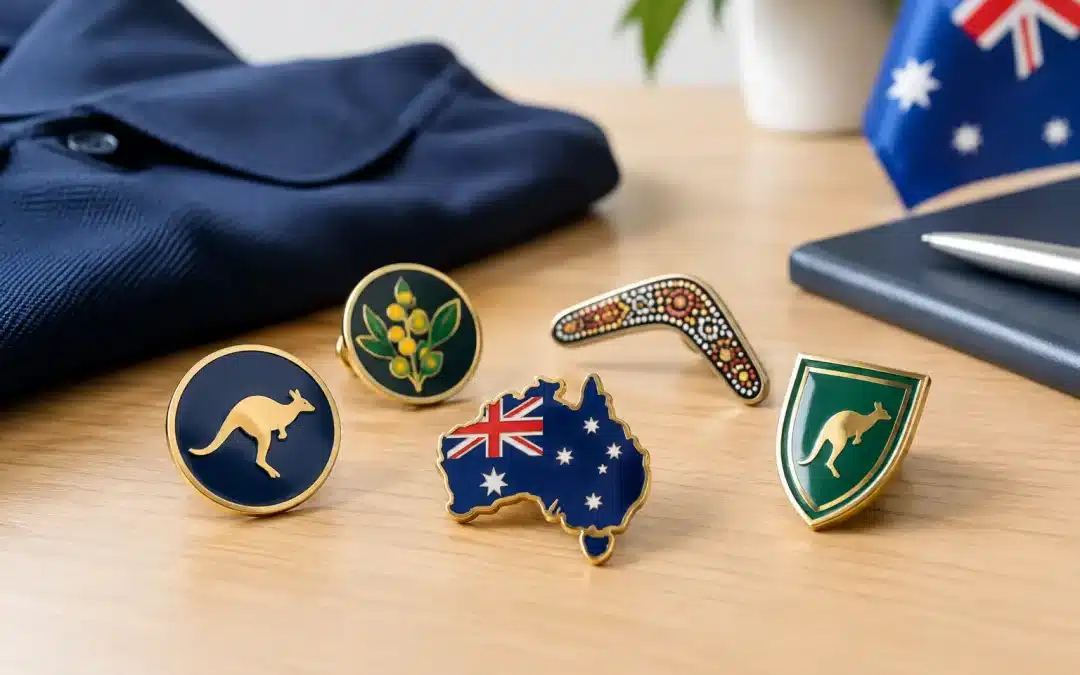
A lapel pin may be small, but it has a serious job to do. It can make staff look united at a trade show, give club members a sense of belonging, recognise a fundraising milestone or put your brand in front of people long after an event finishes. This bulk lapel pin ordering guide will help you turn an idea, logo or message into pins that look polished, suit your budget and arrive ready for the occasion.
Start with the purpose, not the pin style
The best pin order starts with one practical question: what do you need the pin to achieve? A corporate team may need a clean, professional badge for uniforms and conferences. A school could be rewarding student leaders or house captains. A sporting club might want an affordable membership item, while a charity may be creating a collectible pin to support a campaign.
Purpose affects nearly every decision that follows. Pins worn daily need durable materials and reliable attachments. Limited-edition collector pins can justify extra detail, 3D shaping or presentation boxes. High-volume giveaways usually work best when the design is bold, easy to recognise and cost-effective at scale.
Also think about where the pin will be worn. A small logo on a suit lapel has different requirements from a large event pin for a lanyard, backpack or cap. Clear planning at this stage avoids paying for details that will be too small to see.
Set your quantity before finalising the design
Ordering in bulk delivers better value per unit, but the lowest unit price is not always the best buying decision. Order enough to cover confirmed attendees, new members, replacements and a sensible margin for late registrations or future presentations. Reordering a small top-up later can cost more per pin and may create timing pressure.
For a one-off event, estimate attendance carefully and allow for organisers, speakers, sponsors or volunteers. For an ongoing program, such as years of service or student recognition, consider whether one larger production run will cover the next term or season.
Your quantity also helps determine the most suitable manufacturing method. A simple printed design may be ideal for a large promotional run, while die-struck metal can offer a premium feel for a smaller recognition program. The right answer depends on the job, not just the price.
Choose a pin type that suits your artwork
There is no single “best” custom lapel pin. Each style creates a different look and handles artwork differently. A good supplier will explain the trade-offs before production begins.
Die-struck enamel pins
Die-struck enamel pins are a popular choice for logos, badges and designs with defined outlines. The metal base is stamped to create raised and recessed areas, then colour is added to selected sections. They offer a quality finish, strong colour separation and the classic custom pin look that works well for clubs, corporate branding and commemorative pieces.
Soft enamel has textured recessed colour areas, which gives the design a tactile finish. Hard enamel is filled and polished to a smooth surface for a refined, premium appearance. If your design has simple shapes, solid colours and a strong outline, enamel is often a smart option.
Printed pins with epoxy coating
Printed pins are well suited to detailed logos, small text, colour gradients, photographs and artwork with fine lines. Instead of relying on raised metal borders between each colour, the design is printed directly onto the pin surface. An epoxy coating can add protection and a glossy finish.
This option gives designers more freedom, particularly when brand artwork cannot be simplified without losing its character. The trade-off is that it does not have the same sculpted metal feel as a die-struck pin. For highly detailed artwork, though, accurate reproduction may matter more.
Acrylic, PVC and 3D options
Acrylic pins are lightweight, colourful and practical for larger designs, schools, campaigns and playful merchandise. PVC pins offer a soft, flexible feel and work particularly well for bold mascots, layered graphics or designs that need a more casual character.
For an elevated effect, 3D pins add depth through sculpted surfaces and dimensional details. They are a natural fit for special awards, heritage designs, anniversary pieces and collectibles. These options can cost more than a standard flat pin, so they are best chosen when the visual impact supports the purpose.
Keep the design clear at pin size
Artwork that looks perfect on a computer screen can become crowded when reduced to a 25 mm or 30 mm pin. Fine text, narrow gaps and tiny logo elements may not reproduce cleanly. This is where practical production advice makes a difference.
Use strong shapes, readable type and clear contrast between colours. If your logo includes a detailed tagline, it may be better to use the main logo on the pin and place the full message on backing cards or event materials. A pin should be recognised in seconds, not studied with a magnifying glass.
Close Pantone colour matching is available for many custom pin styles, helping you stay aligned with established brand guidelines. However, the base metal, finish and pin method can affect how colours appear. A free digital proof gives you the chance to check layout, spelling, colours and key details before manufacturing starts.
Select the right size, finish and attachment
Most lapel pins sit comfortably between 20 mm and 35 mm, although custom sizing is available. Smaller pins are discreet and professional, while larger pins give artwork more room and offer stronger visibility. If the pin includes a mascot, detailed illustration or multiple words, a little extra size is often worthwhile.
Finish is another important choice. Gold, silver, antique metal and black nickel each create a different impression. Bright gold can feel celebratory, polished silver looks clean and corporate, antique finishes add character to heritage or commemorative designs, and black nickel gives contemporary artwork a sharp edge.
For attachments, a standard butterfly clutch is a reliable choice for many lapel pins. Magnet attachments are useful where you want to avoid piercing clothing, such as business shirts, uniforms or delicate fabrics. They can also make a pin easier to wear for people who prefer not to use a pin back. Consider the garment, the expected wear time and the weight of the finished pin before choosing.
Build time into your event plan
Custom pins are made to order, so timing matters. Production requirements vary according to quantity, design complexity, selected materials and finishing options. Freight time must also be allowed for, especially when pins are needed for a fixed conference, school presentation, sporting final or fundraising launch.
The safest approach is to begin the quote and proof process as soon as your event date is confirmed. Do not wait until artwork is “perfect” before speaking with a supplier. An experienced team can often advise on what will reproduce well and flag production considerations early.
When requesting a quote, provide the quantity, preferred size, intended use, required delivery date and any available artwork. If you are unsure about the pin type, say so. A clear brief is helpful, but you do not need technical knowledge to get started.
Make the presentation work harder
A custom backing card can turn a lapel pin into a stronger promotional item. It gives you room for a campaign message, sponsor acknowledgement, event date, membership information or a short thank-you. For retail fundraising, it also makes the product easier to display and package.
Presentation gift boxes are worth considering for service awards, executive gifts, milestone celebrations and premium commemorative pins. The pin becomes more than a small badge – it becomes a keepsake with perceived value.
If your campaign needs more than pins, matching branded merchandise can create a more cohesive result. Keyrings, patches, fridge magnets, scarves and beanies may suit the same event, club launch or community fundraiser. Keeping colours and artwork consistent across items makes the brand easier to remember.
Check the proof carefully before approval
The digital proof is your final opportunity to confirm the details before production. Check the logo version, text, dates, colour references, pin size, metal finish and attachment. Ask whether very fine elements have been adjusted for manufacturing, and make sure those changes still reflect your intended design.
It is worth having a second person review the proof as well. A fresh set of eyes can catch a spelling error or incorrect date that may be easy to miss after you have looked at the artwork repeatedly. Once the proof is approved, production can move ahead with confidence.
Lapel Pins Australia brings more than 20 years of experience to custom bulk orders, with practical guidance, free digital proofs and a wide range of finishes to suit business, club, school and event requirements. The simplest next step is to gather your artwork, quantity and deadline, then ask for advice early. A well-planned pin order gives your people something they will be proud to wear, keep and share.