
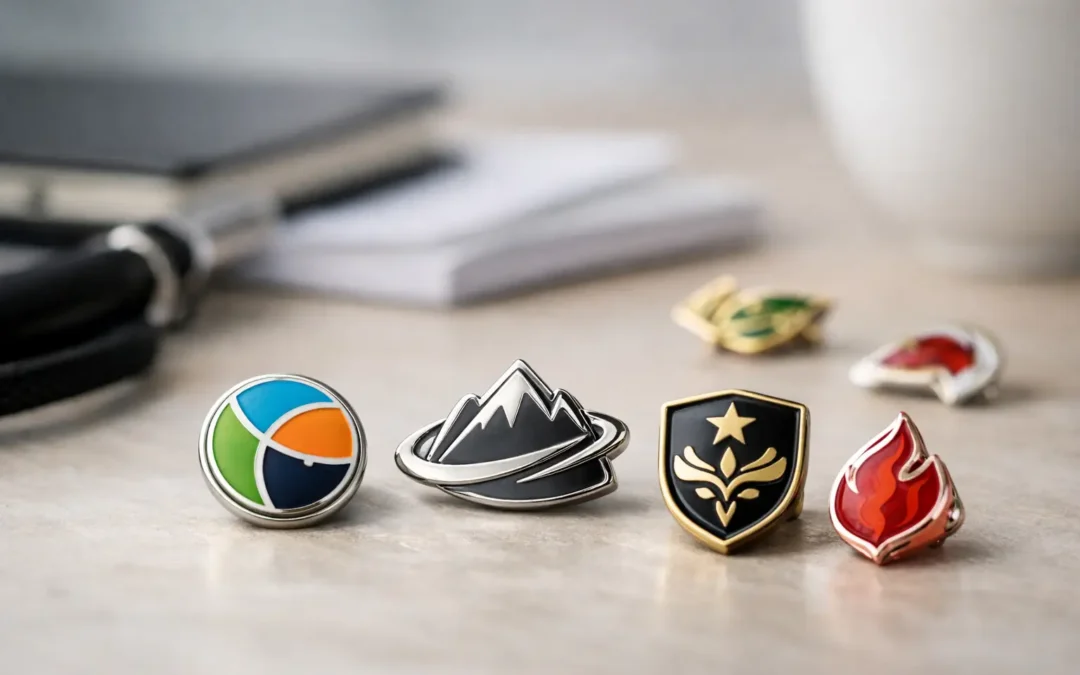
A good pin does more than carry a logo. It gives your brand, club or event something people actually keep, wear and remember. That is why custom pins with logo continue to work so well across Australian businesses, schools, sporting clubs, charities and community groups. They are compact, affordable in volume, easy to hand out, and strong on presentation when the design is done properly.
For some customers, the goal is brand visibility at a conference or launch. For others, it is recognising members, marking milestones, supporting fundraising or adding a polished touch to uniforms and presentation packs. The common thread is simple – a small badge can create a big impression when the style, finish and artwork all line up.
Why custom pins with logo still work
Pins have staying power because they sit in a useful middle ground. They are more premium than a flyer, more wearable than many promotional items, and often more cost-effective than larger merchandise pieces. If you need something branded that feels considered without blowing the budget, pins are a smart option.
They also work across very different use cases. A corporate team might want a neat enamel pin for staff recognition or trade shows. A school may need house badges or leadership pins. A sporting club might want membership pins, sponsors’ badges or premiership keepsakes. An event organiser may need a branded item that adds identity on the day and remains a souvenir afterwards.
The main advantage is flexibility. You are not locked into one look. Pins can be made in custom shapes, matched closely to brand colours, and finished to suit either a polished corporate feel or something more fun and colourful. That makes them one of the easier branded products to tailor to a specific audience.
Choosing the right custom pins with logo
Not every pin style suits every job. The right choice depends on your artwork, budget, timeframe and the look you want to achieve.
Die-struck enamel pins are a popular option when presentation matters. They have a quality feel, clean metal outlines and strong colour definition. If your logo has simple shapes and solid colour areas, this style usually gives the best visual result. It is a strong fit for corporate branding, associations, schools and formal events.
Printed pins with an epoxy coating are often the practical choice when the logo includes gradients, fine detail or more complex artwork. Because the design is printed rather than separated into enamel sections, you can reproduce more detail. The clear epoxy layer adds protection and gives the surface a smooth finish. This style can be very effective when the logo is intricate or when cost control is important.
Acrylic and PVC pins take the design in a more casual or creative direction. They can be ideal for youth groups, campaigns, retail promotions or events where you want something bright, lightweight and less traditional. These materials are also useful when a design calls for unusual shapes or a softer, more playful look.
For brands wanting extra impact, 3D pins can add depth and texture. They are not always necessary, and they are not the cheapest route, but they can create a more premium piece for commemorative projects, awards or collector-style items.
What makes a logo work on a pin
A logo that looks great on a website does not always translate perfectly onto a small metal badge. That is where experienced guidance matters.
The first consideration is size. Pins are small by nature, so detail needs to be simplified if you want the final piece to read clearly at a glance. Fine text, thin lines and crowded elements can disappear or become hard to reproduce cleanly. In many cases, the best approach is to use a simplified brand mark rather than the full lock-up.
Colour is the next big factor. Strong contrast usually produces the best result. If your logo relies on subtle tone changes, transparent effects or gradients, a printed option may be the better choice. If it uses bold brand blocks and clear outlines, enamel often delivers a sharper, more premium finish.
Shape matters too. Standard round or square pins work well for many logos, but custom shapes often create a stronger branded effect. A logo icon, mascot, shield, crest or product silhouette can instantly make the pin feel more distinctive. That said, highly irregular shapes can affect cost and production, so there is always a balance between visual impact and practicality.
Finish, attachment and packaging all matter
A lot of buyers focus on the front of the pin, but the details around finish and presentation can change how the product is received.
Metal finish affects the overall tone. Gold can feel prestigious, silver is clean and versatile, black nickel gives a modern edge, and antique finishes suit heritage brands or commemorative pieces. There is no single best option. It depends on your brand colours and where the pin will be used.
Attachment choice is just as important. Butterfly clutches are common and economical. Rubber clutches can be easier to handle and are often preferred for everyday wear. Magnet backs are useful when you want to avoid piercing garments, particularly for name badge style use in hospitality, retail or corporate settings. The trade-off is that magnets are not always ideal for every application, especially if the item needs to stay fixed during active movement.
Presentation can also lift the final result. If the pins are being handed out casually at an event, standard packing may be enough. If they are part of an award, membership welcome pack or corporate gift, backing cards or presentation boxes can make a noticeable difference. A pin presented well feels more valuable before it is even worn.
Bulk ordering without the guesswork
Most custom pin projects are ordered in volume, so consistency and support are just as important as unit price. A cheap pin is not a good buy if colours are off, the logo is hard to read or the finish looks rough.
That is why the proofing stage matters. A free digital proof gives you a clear view of how the artwork will be adapted for production before the order moves ahead. It helps catch issues early, whether that is line thickness, text legibility, colour choices or the overall shape. For clubs, schools and marketing teams juggling approvals, this step can save time and avoid expensive mistakes.
Turnaround times also matter more than many buyers expect. Events have fixed dates. Award nights, campaigns and conferences do not move just because a product arrives late. Working with an Australian-owned and operated supplier that understands deadlines, communicates clearly and guides you through the process reduces risk. It is not only about manufacturing. It is about having someone keep the job on track.
Where custom pins deliver the best value
Pins punch above their weight because they can serve multiple purposes at once. One product can act as a promotional item, a wearable brand asset and a keepsake.
For businesses, they are effective at expos, conferences, staff programs and customer gifting. For schools and clubs, they support identity, achievement and belonging. For charities and community groups, they can help with fundraising, volunteer recognition and campaign awareness. For associations and event organisers, they create a simple but polished item that helps people feel part of the occasion.
They also pair well with other merchandise. A branded pin can sit alongside keyrings, patches, fridge magnets, bottle openers or apparel in a broader promotional campaign. That makes it easier to build a coordinated merchandise range without losing visual consistency.
Getting a better result from your artwork
If you want a cleaner final product, keep the artwork brief and purposeful. Clear shapes, readable typography and strong colour separation usually perform best. If your logo includes a lot of detail, ask whether all of it is really necessary at pin size.
It also helps to think about who will wear it. A pin for a board dinner may need a refined finish and understated branding. A pin for a school fundraiser can be bolder and more playful. A club membership pin should feel durable enough for repeated use. The best result is not always the fanciest option. It is the one that fits the job.
With more than 20 years of experience, Lapel Pins Australia has seen how small design choices can make a big difference to the finished piece. The most successful orders are usually the ones where the customer has a clear purpose and the supplier helps match that purpose to the right style, finish and production method.
If you are ordering custom pins with logo, treat them as more than a badge. Get the design right, choose the style that suits the artwork, and think about how the pin will actually be used. Done well, it becomes a branded item people are happy to wear, keep and talk about.