
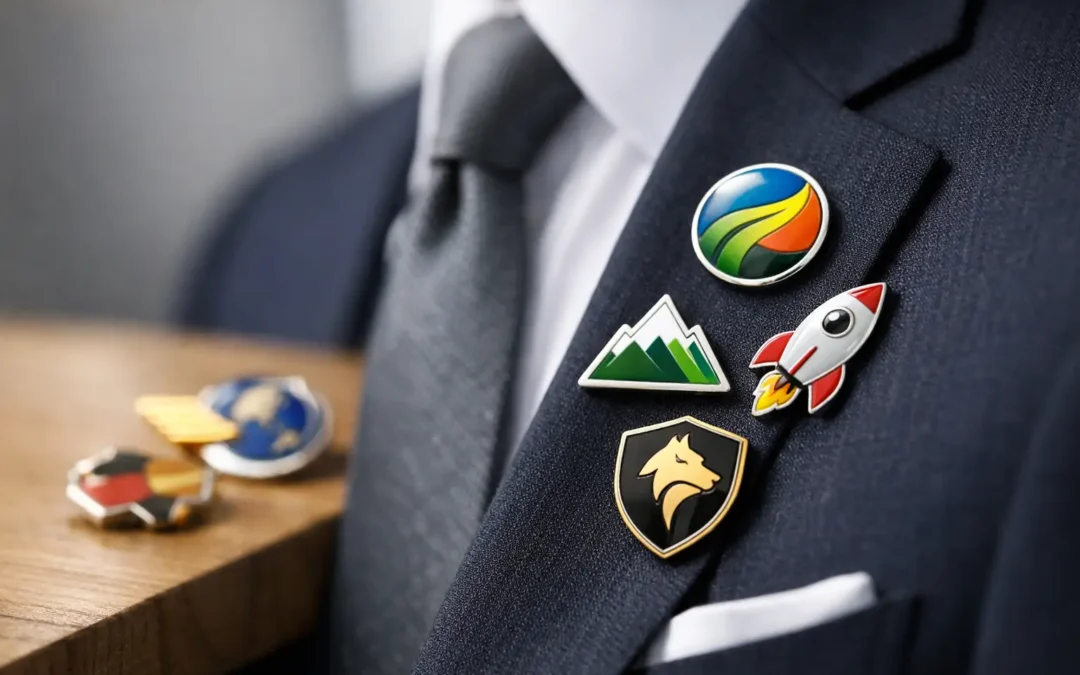
A well-made lapel pin can do something a flyer or social post cannot: it gives people a physical reason to wear your brand. Custom lapel pins turn a logo, message, achievement or campaign into a small badge people keep, collect and proudly display. For businesses, clubs, schools and events, that makes them a practical promotional item with lasting value.
They may be small, but their job is significant. A pin can identify staff at a trade show, celebrate a volunteer’s service, unite a sporting squad, raise funds for a cause or give a conference delegate something more memorable than another lanyard. The right design looks polished at first glance and continues working long after the event has finished.
Why custom lapel pins make an impact
Branded merchandise works best when it feels worth keeping. Lapel pins are compact, useful across many settings and easy to personalise without needing a large product footprint. They suit a business jacket, school blazer, club polo, cap, bag or display board, so the wearer decides how and where to show their connection.
For organisations, the appeal is also practical. Pins are easy to hand out, post, pack into event bags or present in a gift box. They do not need sizing, have a long shelf life and can be ordered in bulk for a competitive per-unit cost. That makes them a strong option when you need a professional branded item without stretching the budget.
Their value depends on the purpose. A polished metal enamel pin may be the right choice for a corporate recognition program or anniversary. A bright printed pin may better suit a school fundraiser, festival or high-volume awareness campaign. There is no single best style – there is a best fit for the audience, artwork and occasion.
Start with the message, not the material
The most effective pin designs are clear before they become decorative. Ask what the pin needs to communicate in one quick look. Is it a membership badge? A staff identifier? A thank-you gift? A commemorative keepsake? A fundraising item people will buy and wear?
A company logo is often enough for a clean corporate pin, particularly when paired with brand colours and a simple metal finish. Clubs may include their crest, founding year or team mascot. Schools and community groups can use a campaign phrase or event artwork, while charities may choose a symbol that starts a conversation about their cause.
Fine detail can look excellent, but it needs to suit the finished size. Tiny text, complicated gradients and very narrow lines may not translate well in every production method. Keeping key elements bold improves legibility from a normal viewing distance. An experienced supplier can flag issues early and suggest a finish that protects the intent of the original artwork.
That is where a free digital proof matters. It gives you a chance to check spelling, colours, shape, borders and placement before production begins. For an order being used across a national event, a school program or a membership rollout, that approval stage is essential rather than optional.
Choosing the right lapel pin style
Material and finish affect both the look of the pin and the way people perceive it. The choice should reflect your design, budget, order quantity and intended use.
Die-struck enamel pins
Die-struck enamel pins are a popular choice when you want a premium, durable result. The artwork is stamped into metal, creating raised outlines and recessed areas for colour. This gives the design texture and definition, making it especially suitable for logos, emblems, awards and formal organisation badges.
Soft enamel has visible raised metal edges, which gives it a traditional badge feel. Hard enamel has a smoother, more level finish and is often selected for a refined corporate or commemorative look. Both can be produced in close Pantone colour matches, helping your branding remain consistent.
Printed and epoxy-coated pins
Printed pins are ideal when the artwork includes photographs, gradients, fine text or detailed illustrations that enamel cannot easily reproduce. An epoxy coating can add a clear protective layer, giving the pin a glossy finish and helping preserve the printed surface through regular handling.
This option is often a smart balance for detailed campaign artwork, event logos and colourful school or charity designs. It may not have the raised metal texture of enamel, but it provides greater freedom for visual detail.
Acrylic, PVC and 3D options
Acrylic pins provide a modern, lightweight alternative and are well suited to bright, playful designs. PVC pins are flexible and tactile, making them a good match for mascots, novelty shapes and youth-focused promotions. Both options allow for creative shapes that would be difficult or costly in metal.
For a design that needs extra depth, 3D pins create sculpted detail and visual dimension. They work particularly well for buildings, vehicles, animals, medals and anniversary pieces where the object itself is part of the story. The trade-off is that more detailed moulding can involve a higher setup cost, so it is often best suited to larger runs or special-purpose items.
Shape, size and attachment all matter
A standard round, square or rectangular pin is easy to produce and suits many logos. A custom shape, however, can make the product feel far more distinctive. Think of a club shield, a product silhouette, a mascot head or a recognisable local landmark. If the outline is central to your identity, custom shaping is worth considering.
Size should be chosen for readability and comfort. Smaller pins are discreet and ideal for staff uniforms, membership badges and formal wear. Larger pins create more room for event artwork or bold promotional messages, but can feel less suitable on a lapel. Most designs need enough space for their key image to read clearly without becoming oversized.
The attachment is equally important. Butterfly clutches are a familiar, reliable choice for most lapel pins. Magnet attachments are useful when you want to avoid piercing clothing, such as on corporate uniforms, delicate fabrics or name badge applications. A presentation gift box can elevate the finished piece for awards, executive gifts, milestone recognition and commemorative releases.
Practical uses across Australian organisations
Custom pins earn their place when they have a clear role in your campaign or organisation. Corporate teams use them for staff recognition, product launches, conference packs and branded uniforms. They offer a subtle way to create consistency when employees are meeting customers or representing the business at an expo.
Schools use pins for leadership groups, house captains, achievement awards, peer support teams and fundraising. A pin is small enough for students to wear proudly, yet meaningful enough to signal responsibility or achievement.
Sporting clubs and associations can use pins for member packs, life membership, tournament participation, supporter merchandise and volunteer recognition. For community groups and charities, a pin can become a low-cost fundraising product or a visible symbol of support during an awareness campaign.
Event organisers can use pins as delegate gifts, crew identifiers, VIP keepsakes or limited-edition merchandise. A date, location or event mark gives people a tangible reminder of their experience. When designed well, it is the item that ends up pinned to a bag long after the program has been recycled.
Get better results from your bulk order
Ordering in bulk brings the unit cost down, but a successful order still comes down to planning. Confirm your quantity based on the actual distribution plan, then allow a sensible buffer for late registrations, extra volunteers, replacement stock or future new members. It is usually more cost-effective to order a little extra than to place a small follow-up run later.
Provide the best artwork you have available, ideally a clean vector file or high-resolution logo. If that is not available, do not let it stop the project. A clear image and a discussion about the intended look can be enough to begin refining the design. Colour references are useful too, particularly when brand consistency is important.
Be upfront about your deadline. Production time can vary depending on the pin style, complexity, quantity and finishing requirements. Allowing time for artwork approval and delivery gives you more choices and reduces pressure. If the item is tied to a launch, awards night or event date, it is best to start the quote and proof process early.
Lapel Pins Australia brings more than 20 years of promotional product experience to this process, with hands-on guidance from artwork through to production. Whether you know exactly what you want or only have a logo and an idea, the goal is the same: a quality pin that looks right, arrives ready and gives people a reason to wear it.
Your next pin does not need to be complicated. It just needs a clear purpose, a design that suits the material and a finish people will be pleased to put on display.