
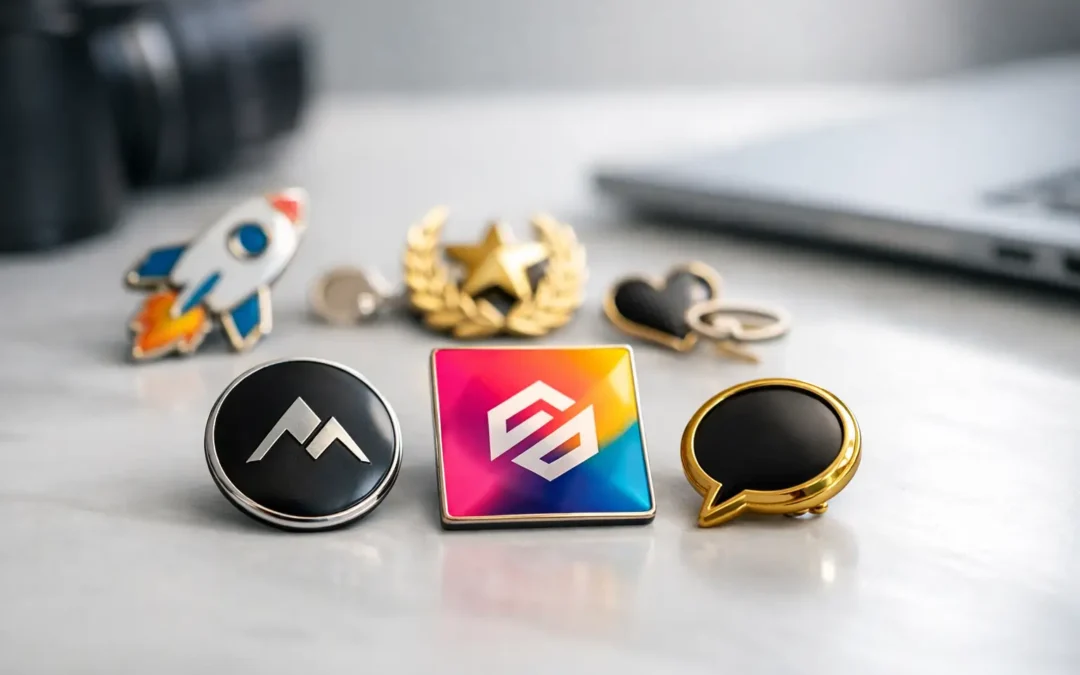
A lapel pin may be small, but it often sits in the most visible place possible: on a uniform, lanyard, jacket, conference bag or presentation box. Choosing the best pin styles for branding is not simply about picking a finish that looks good on screen. It is about matching the pin to the job it needs to do, whether that is building team pride, rewarding years of service, raising funds or putting your logo in front of more people.
For Australian businesses, schools, clubs and community organisations, the right custom pin creates a polished, lasting reminder of who you are. The wrong choice can leave fine details unclear, colours flat or a premium message looking underdone. Here is how to choose with confidence.
Start With the Brand Moment
Before selecting a pin style, consider where and why people will wear it. A corporate recognition pin needs to feel refined and durable. A school house badge needs clear colours and an attachment that holds up through daily wear. An event giveaway may need to be economical at higher quantities while still making a strong visual impression.
Your logo is only one part of the decision. Think about the message behind the merchandise. Is it a membership marker, a fundraising item, an achievement award or a campaign handout? The best result comes when the material, finish, size and attachment all support that purpose.
A simple one-colour emblem can look exceptional as a metal die-struck pin. A detailed illustration or photographic artwork is usually better suited to a printed pin. Trying to force every design into the same format is where branding loses its impact.
Best Pin Styles for Branding: Match Style to Purpose
Die-Struck Enamel Pins for Premium Brand Presence
Die-struck enamel pins are a reliable choice for businesses and organisations that want a classic, professional finish. Your design is stamped into metal, creating raised borders that separate each colour area. The result has weight, texture and a quality feel that people notice when they pick it up.
Hard enamel is smooth and polished, with the enamel filled level to the raised metal lines. It suits corporate logos, commemorative pins, staff awards and formal events where a clean finish matters. Soft enamel has slightly recessed colour areas, which gives the pin more texture and definition. It is popular for clubs, charities, sporting groups and retail-style collectible designs.
The trade-off is detail. Enamel pins work best when artwork has clear shapes, defined lines and solid colour sections. Tiny text, gradients and complicated imagery may need to be simplified to reproduce well. That is not necessarily a limitation. Often, simplifying a logo for a small pin makes the branding stronger and more readable.
Printed and Epoxy-Coated Pins for Detailed Artwork
Printed pins are the practical option when your design includes fine text, colour blends, illustrations or more intricate artwork. Rather than separating the design into raised metal sections, the artwork is printed onto the pin surface. An epoxy coating can then be added to protect the print and create a smooth, glossy finish.
This style is especially useful for event logos, campaign artwork, school mascots, anniversary designs and badges with several colours. It also gives you greater flexibility when close Pantone colour matching is a priority. If your organisation has specific brand guidelines, that precision can make a meaningful difference.
Printed pins are generally more economical than complex enamel production for highly detailed designs. However, they do not have the same dimensional metal feel as a die-struck enamel pin. If the pin is intended as a senior executive gift or a long-service award, enamel may be the better fit. If your key goal is reproducing artwork accurately at scale, printed pins are hard to beat.
PVC Pins for Bright, Flexible Campaigns
PVC pins bring a softer, more playful look to branded merchandise. Made from flexible rubber-like material, they are ideal for bold shapes, strong colours and designs that need a little personality. Think children’s programs, community initiatives, sporting events, tourism promotions or safety campaigns.
Because PVC can be moulded into custom shapes and raised layers, it works well for mascots, icons and designs with a tactile feel. It is also a good option where the pin may be handled frequently or worn in active environments. The material is durable, lightweight and less likely to show minor knocks than a polished metal finish.
The style does have a different brand signal. PVC feels friendly and energetic rather than formal. For a law firm conference or corporate milestone, it may not convey the premium impression you want. For a fun run, youth club or family event, it can be exactly right.
Acrylic Pins for Colourful, Contemporary Designs
Acrylic pins offer a fresh, lightweight alternative for brands wanting strong full-colour artwork without the cost of a more complex metal pin. They are a smart choice for creative campaigns, pop-up events, artist collaborations, school activities and promotional giveaways.
Clear, white or coloured acrylic can be cut into a custom outline, allowing the shape to become part of the design. This is particularly effective when your logo has a distinctive silhouette or your campaign uses a bold illustration. Acrylic also works well for smaller runs where visual flexibility is more important than a traditional metal badge finish.
Like printed pins, acrylic is best used where detail and colour matter more than metallic texture. It is not usually the first choice for an award presentation, but it can create a memorable branded piece at a very approachable price point.
3D Pins for Designs That Need Depth
When a flat logo will not tell the full story, 3D pins provide another level of visual impact. The metal is sculpted with raised and recessed areas, creating depth, shadow and a more realistic finish. They are well suited to emblems, buildings, vehicles, animals, commemorative designs and prestige merchandise.
A 3D pin can feel like a miniature keepsake rather than a standard promotional item. That makes it a strong option for anniversary celebrations, limited-edition club merchandise, major event packages and high-value recognition programs.
The additional tooling and production involved means 3D pins are typically a more considered investment. They work best when the design genuinely benefits from the extra dimension. A simple wordmark does not need 3D treatment, while a detailed crest or landmark can look outstanding.
Size, Shape and Finish Can Change the Result
Even the best pin style can underperform if it is too small for the artwork. As a general rule, designs with text or fine detail need more room. A larger pin may cost slightly more, but it can save your branding from becoming difficult to read. Your supplier should review the artwork and advise on a practical size before production.
Custom shapes are another way to make a pin stand out. Circular and shield shapes are timeless choices for logos and membership badges. A custom outline can be more memorable for a mascot, product shape or campaign symbol. The key is to keep the silhouette recognisable from a short distance.
Finishes also influence the mood. Gold, silver, antique metal, black nickel and coloured plating can all shift the look of the same artwork. Bright polished metal suits modern corporate branding, while antique finishes can add character to heritage clubs or commemorative pieces. Ask for a free digital proof to compare the options before approving production.
Do Not Overlook the Attachment
The attachment affects comfort, security and how the pin is used. A standard butterfly clutch is a popular all-round option for lapels, uniforms and bags. Rubber clutches are comfortable and practical for active use. Magnet attachments avoid piercing fabric, making them ideal for office uniforms, delicate garments and people who prefer not to use a pin backing.
For premium presentations, consider pairing the pin with a backing card or gift box. This is particularly effective for staff recognition, sponsor gifts and conference packs. Presentation turns a small badge into a more meaningful branded moment.
Make the Artwork Work at Pin Scale
Pins are viewed at close range, but they are small objects. Fine lines can disappear, tiny lettering can fill in, and closely matched colours can blur together. The strongest pin designs use contrast, clear outlines and a focused message.
If your full logo is complex, it may be better to create a pin-friendly version using the emblem, initials or a simplified icon. This is common practice for established brands and does not weaken brand consistency. It helps your identity perform properly in the format.
An experienced supplier will flag production concerns before the order is made, not after the pins arrive. At Lapel Pins Australia, a free digital proof gives you the chance to review layout, colours, shape and finish before production proceeds. That extra check protects your budget and helps ensure the finished pins match the purpose behind them.
The best branded pin is the one people are proud to wear, keep and show others. Choose a style that reflects your organisation, give the artwork enough room to breathe, and let the finished piece do more than display a logo. Let it represent belonging, recognition or a story worth remembering.