
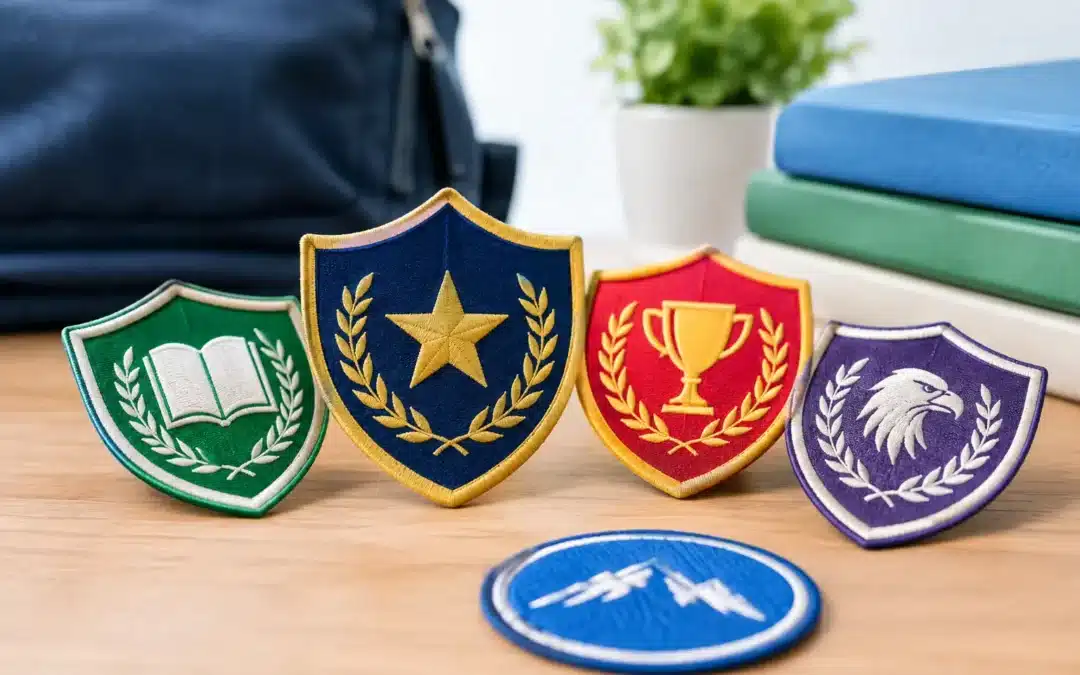
A house system works best when students can see it, wear it and feel part of it. The strongest school house badge examples turn a name, colour and mascot into something students are proud to pin on a blazer, hat or bag. Small Badge, Big Impact – especially at carnivals, assemblies, peer-support programs and leadership events.
For Australian schools, a custom house badge needs to do more than look polished in a digital proof. It should be clear from a few metres away, durable enough for daily school life and affordable to order in quantities that make sense. The right choice depends on your school colours, age groups, uniform policy and how the badge will be awarded or sold.
School house badge examples that students will wear
The best starting point is the badge’s job. Is it an everyday identifier for every student in a house? A reward for captains and house leaders? A keepsake from a swimming carnival or annual athletics day? Each use calls for a slightly different design and finish.
Classic colour-and-crest house badges
A circular or shield-shaped enamel badge with the house name, a strong colour field and a simple icon is the classic option. Think of four houses distinguished by red, blue, green and gold, each featuring a shared school crest or an individual symbol such as a falcon, lion, gum leaf or wave.
This style is ideal for ongoing house identity. It looks established, suits formal uniforms and gives students a badge they can wear year after year. Hard enamel creates a smooth, jewellery-like surface, while soft enamel adds textured metal outlines that make colours stand out.
Keep the artwork uncomplicated. Fine text may disappear at badge size, particularly when viewed from a distance. A bold house initial, clear icon and one or two key colours often deliver more impact than a miniature version of the school newsletter masthead.
Mascot badges for younger students
Primary schools often get the best response from house badges with friendly characters. A blue shark, red kookaburra, green crocodile or yellow bee can make house participation feel immediate and fun, particularly for new students still learning where they belong.
Printed badges are a practical option where the mascot includes expressive faces, shading or detailed artwork. An epoxy coating gives the printed surface a glossy protective layer, helping it cope with backpacks, playground duty and busy school days. For a more tactile result, PVC badges can bring a simple mascot to life with raised sections and flexible colour.
There is a trade-off. Character artwork can date faster than a clean crest, so it pays to choose a design that reflects a long-term house identity rather than a passing theme. A skilled supplier can simplify existing artwork without losing the character students recognise.
House captain and leadership pins
Leadership badges need to look distinct without competing with the school badge. A smart approach is to use the house colour around a consistent leadership design: for example, a silver-toned pin featuring the words “House Captain” with a coloured enamel banner beneath.
Vice-captains, sports captains, music leaders and peer mentors can follow the same family of designs. This creates a professional, coordinated look at assemblies and official events, while making each role easy to identify.
For these badges, die-struck metal with enamel colour is a popular choice. It has weight, crisp detail and a finish students and families see as a genuine mark of responsibility. Add a butterfly clutch for standard wear, or choose a magnet attachment where uniforms cannot be pierced. Magnets are convenient, but they need to be kept away from sensitive medical devices and may be less secure during high-energy sporting activities.
Achievement badges linked to house points
House points can become more meaningful when they lead to a badge students want to earn. Examples include “100 House Points”, “Community Champion”, “Reading House Star”, “Fair Play Award” or “House Service”. Rather than producing a generic reward badge, connect it directly to the values your school wants students to practise.
A series works especially well here. Start with a base-level badge and introduce higher tiers through different metal finishes, coloured borders or a numbered banner. Students can see progression, and staff have a consistent recognition tool throughout the year.
Avoid making achievement badges too similar to compulsory house identifiers. One should say “I belong to Banksia House”; the other should say “I achieved something”. The distinction makes the recognition feel earned.
Event badges for carnivals and competitions
Swimming, athletics and cross-country carnivals are made for bright, collectable badges. These can feature the event year, house colour and a sport-specific image such as a swimmer, runner or relay baton. They are useful for participants, volunteers, house officials and winning teams.
If the badge is a one-off event item, acrylic or printed epoxy badges may provide excellent value and colour flexibility. If it is intended as a winner’s award or long-term memento, metal enamel pins offer a more premium finish. Presentation gift boxes can also lift the occasion for house champions, record holders or long-serving student leaders.
Build enough lead time into the plan. Annual events have fixed dates, and a badge delivered after the carnival loses much of its purpose. Confirm quantities early, allow time for a free digital proof and check spelling, house colours and event dates before production starts.
Choosing the right size, shape and finish
Most school house badges sit comfortably between 25 mm and 35 mm. Smaller pins suit subtle uniform use, while 35 mm gives mascots and text more room. Larger designs can look impressive but may feel heavy on lightweight shirts or polo fabric.
Shape can do a lot of the design work. Shields suit tradition and leadership. Circles are friendly and cost-effective. Custom outlines work well for mascots, animals and symbolic shapes such as stars, leaves or boomerangs. If all houses use the same shape, switching colours and icons is usually enough to make each one instantly recognisable.
Pantone colour matching matters when a badge is tied to established house colours or a school brand guide. A close match helps the badge sit naturally alongside sports uniforms, banners and signage. It also prevents the common disappointment of a “blue” badge arriving closer to purple than the house colour students know.
For attachments, butterfly clutches are the standard choice for lapel pins. Rubber clutches can be more comfortable for younger students, while brooch pins may suit larger badges. If badges will be used on hats, bags or lanyards rather than blazers, say so during the quoting stage. The attachment should match the real use, not just the artwork.
Artwork tips that protect the finished result
School committees often begin with a crest file, a list of house names and an idea. That is enough to start. A clear digital proof lets staff check layout, colours and wording before anything goes into production.
When preparing artwork, use high-resolution logos where possible and nominate the exact wording for each house. Check capital letters, apostrophes and any Indigenous language carefully with the appropriate school representatives. If the badge includes a motto, resist shrinking it until it becomes unreadable. A short phrase or abbreviated house name usually works better on a small pin.
It is also worth considering who will wear the badge. Secondary students may prefer restrained metal outlines and a sharper crest. Primary students often respond to vivid colour and memorable mascots. A K-12 school may need two related ranges: an everyday house badge for all students and a more formal leadership badge for older year levels.
Make house pride visible
A well-designed badge gives every house activity a stronger visual identity, from the first welcome assembly to the final points tally. It tells students that belonging, effort and leadership are worth recognising in a tangible way.
Lapel Pins Australia can help turn your house names, colours and school artwork into durable custom badges with a free digital proof before production. Bring the house system out of the scorebook and onto the uniform – where students can carry that pride every day.