
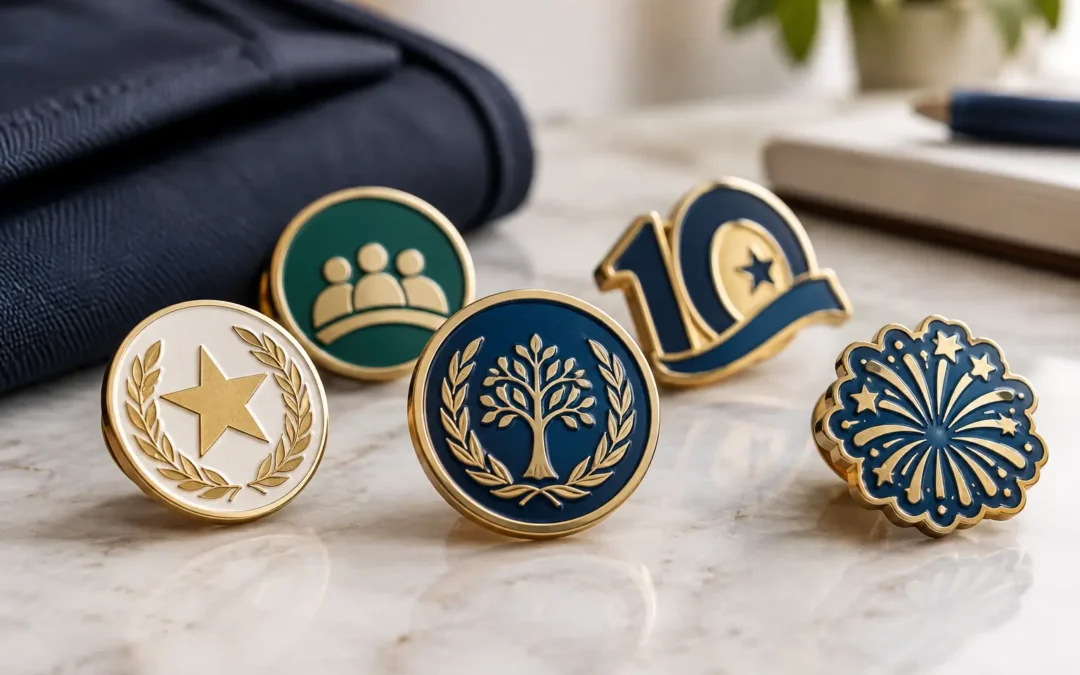
A club anniversary is more than a date on the calendar. It is a chance to recognise the people who built the club, the members who kept turning up, and the community that gives it purpose. Well-designed club anniversary pins turn that occasion into something tangible: a small badge members can wear with pride long after the speeches, cake and commemorative photo are done.
For sporting clubs, schools, service organisations, community groups and associations, anniversary pins are a practical way to create a shared sense of occasion without stretching the event budget. They are easy to distribute, look polished in photographs and give every attendee the same visible connection to the milestone.
Why club anniversary pins make a lasting impression
A 25th, 50th, 75th or 100th anniversary deserves more than a printed banner. Banners come down. Social posts disappear from the feed. A quality lapel pin stays on a blazer, cap, lanyard, medal display or memorabilia board.
That staying power is what makes a pin valuable. It acts as a thank-you for long-serving volunteers, a welcome gift for current members and a collectible item for former members, sponsors and supporters. For clubs with a proud history, the pin can also become a fundraising product or a premium inclusion in an anniversary ticket package.
The strongest designs do not try to tell the club’s entire story in one tiny space. They focus on a few recognisable elements: the club crest, anniversary years, an established date, a commemorative number or a simple phrase such as “Celebrating 50 Years”. Clear details create a badge that looks confident from a distance and rewards a closer look.
Start with the message behind the milestone
Before choosing metal, colours or attachments, decide what the pin is meant to do. A formal anniversary dinner may call for an elegant die-struck metal pin with antique plating. A junior sports club celebrating 25 years may want bright enamel colours and a more playful shape. A charity or community organisation might need a cost-effective design that can be sold in volume to support a campaign.
It depends on your audience and where the pin will be used. A pin for committee members and life members can feel more premium than one handed out to hundreds of guests at an open day. There is no single right option, but there should be a clear purpose behind the design and budget.
It also helps to think about who should receive one. Consider current members, alumni, volunteers, sponsors, past presidents, players, staff and event guests. If several groups are involved, you might use one core design and create a special finish or presentation box for VIP recipients. This keeps the anniversary identity consistent while making key recognition feel more personal.
Keep the design simple and recognisable
Club logos are often detailed, especially those with small lettering, mascots or shields. That artwork may look sharp on a website but need refining for pin production. Fine lines, very small type and complex colour transitions can lose clarity at a compact pin size.
A good approach is to retain the most recognisable parts of the crest, then add the anniversary years in a clean, readable position. Round pins suit badges and seals, while custom shapes can follow a shield, ball, animal, building or significant club symbol. A modest increase in size can make a major difference when your logo includes detail.
Choose colours that match the club identity as closely as possible. Consistent colour matters when members compare the pin with uniforms, scarves, signage and existing merchandise. Close Pantone colour matching helps keep the commemorative item looking like it belongs to the club, not like a generic event giveaway.
Choosing the right style for club anniversary pins
The material and finish affect both the look and the price. For most anniversaries, metal enamel pins offer the best balance of durability, colour and perceived value. They feel substantial in the hand and suit formal as well as everyday wear.
Die-struck enamel pins are a reliable choice when you want raised metal outlines around coloured sections. The raised edges give the design definition and can make club colours stand out beautifully. Soft enamel has a textured finish where colour sits below the metal lines, while hard enamel is smoother and has a more refined feel. Either can work well – the decision usually comes down to budget, artwork and the finish you prefer.
Printed pins are useful for detailed logos, photographic elements or artwork with subtle shading that enamel cannot reproduce easily. An epoxy coating can protect the printed surface and provide a glossy finish. For a lightweight, colourful option at larger quantities, acrylic or PVC pins may also suit family days, junior clubs and promotional campaigns.
For an extra-special piece, consider 3D moulding, antique metal finishes or a presentation gift box. These options are particularly effective for centenary celebrations, formal dinners and recognition gifts for life members. They do cost more than a standard enamel pin, so they are best used when the occasion and recipient list justify the upgrade.
Make the pin easy to wear and distribute
The attachment matters more than many organisers expect. A standard butterfly clutch is a popular choice for lapels, caps and fabric bags. A magnet attachment avoids piercing clothing, making it a practical option for staff uniforms, delicate garments or people who prefer not to use a pin point.
If the anniversary pin is intended for school students or junior players, a safer attachment option may be worth discussing. If it will be displayed rather than worn, you may prefer a fridge magnet backing, keyring format or individual packaging with a commemorative card.
Packaging can lift the perceived value without changing the pin itself. A simple backing card can include the club name, anniversary dates and a short message of thanks. It also makes distribution easier and gives supporters a reason to keep the item in good condition. Presentation boxes create a more ceremonial result for award recipients, major donors and long-serving members.
Plan quantities early to protect your budget
Ordering in bulk usually makes anniversary pins more affordable per unit, but quantity planning should still be realistic. Start with confirmed event attendees, then allow for committee members, volunteers, sponsors, late registrations and a small reserve for future presentations or sales.
A common mistake is ordering exactly enough for one event. Clubs often find that former members, local supporters and families want a pin once they see it. A reserve quantity gives you the flexibility to sell extras, replace lost pins or include them in future membership packs.
Set a clear budget before finalising the artwork. Your total cost can vary based on size, number of colours, material, attachment, finish, packaging and order volume. The cheapest option is not always the best value if the pin looks light, lacks detail or does not reflect the importance of the anniversary. At the same time, not every event needs a premium metal-and-box presentation piece. Match the product to the occasion.
Give yourself time for proofing and production
A polished anniversary pin begins with accurate artwork and a clear approval process. Supply your club logo in the best available format, along with the anniversary wording, dates, preferred colours and estimated quantity. If your existing logo is old or inconsistent, provide the version members will recognise most readily rather than trying to combine several versions at once.
A Free Digital Proof is valuable because it shows how the artwork will translate into a manufactured pin before production begins. Review it carefully with the people responsible for branding or club history. Check spelling, dates, colour references, logo orientation and the placement of any small text. This is the time to make changes, not after the pins arrive.
Build in lead time for design approval, production and delivery, particularly if your anniversary falls around a busy event season. Ordering early also reduces pressure on volunteers and gives you time to organise packaging, ticket inclusions or sales displays. Lapel Pins Australia can guide clubs through material, size, finish and attachment choices, helping you move from a rough idea to a pin ready for presentation.
Turn a commemorative pin into a club moment
How you present the pin can be as memorable as the pin itself. Give them out at the door of an anniversary dinner, include them with a commemorative programme, present them alongside service awards or sell them from the clubroom during the celebration period. A brief announcement that explains the design can add real meaning, especially if it references a founding year, original colours or a landmark achievement.
For clubs with a strong alumni network, consider sending pins to past members as part of a reunion or fundraising appeal. For sporting clubs, a limited run can work well with scarves, patches, beanies or keyrings in the anniversary range. The key is to keep the pin special. It should feel like evidence that someone was part of the story, not just another item on the merchandise table.
A well-made anniversary pin gives your club’s milestone a life beyond one day. Choose a design members will recognise, a finish they will be proud to wear and a quantity that lets the celebration reach everyone who helped make it possible.