
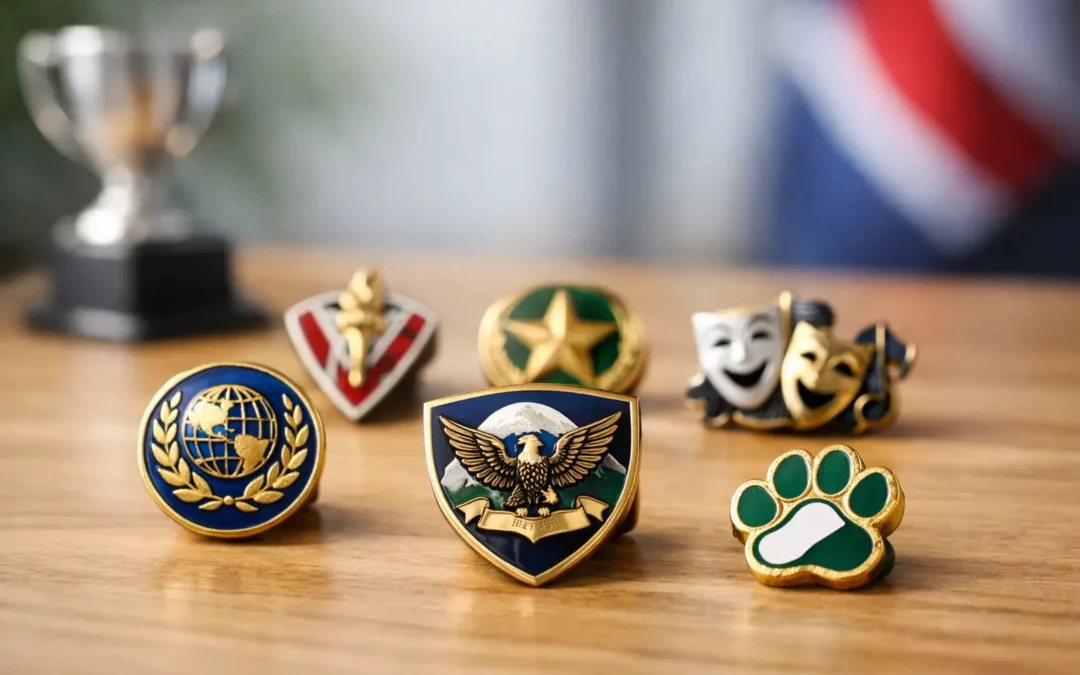
A well-made pin does more than identify members. It gives your club a visible standard, creates a sense of belonging, and makes the group look organised from the first handshake at the door. That is why club membership pins custom made for your organisation still work so well across sporting clubs, schools, charities, associations and community groups.
When people wear a pin, they are showing affiliation in a simple, polished way. It can mark membership, recognise years of service, separate committee roles, or add a professional touch at events. Small badge, big impact. For many clubs, it is one of the most cost-effective custom items you can order in volume.
Why club membership pins custom made still matter
Digital membership cards and online registrations have their place, but they do not replace physical presence. A membership pin is immediate. It is seen at meetings, presentations, fundraising dinners, school functions and game days without anyone needing to check a screen.
That matters for both identity and presentation. A pin helps members feel part of something bigger, and it helps visitors, sponsors and the wider community recognise your group at a glance. For clubs trying to build pride, improve visibility or create a stronger event image, pins do real work.
There is also a practical side. Membership pins can identify office bearers, life members, committee representatives or volunteers. They can be used year after year, or produced for specific anniversaries, seasons or milestones. If your club wants something durable, affordable and easy to distribute, pins are hard to beat.
Getting the design right for club membership pins custom orders
The best pin designs are clear before they are clever. Your logo, initials, mascot, shield or emblem should be easy to read at a small size. Fine detail can look impressive on screen, but not every element suits every production method. That is where expert guidance makes a difference.
Shape is often the first decision. Some clubs stick with a classic round or shield format because it looks formal and timeless. Others choose a custom shape to match a crest, animal mascot or symbolic icon. Both approaches can work. It depends on whether you want a traditional membership look or a more promotional style.
Colour choice matters just as much. Strong enamel colours with close Pantone matching help maintain brand consistency across school houses, sporting uniforms, association logos and sponsor-friendly event branding. Metallic finishes such as gold, silver or antique brass can also change the feel of the piece. Bright polished metal looks crisp and modern, while antique finishes tend to feel more prestigious and commemorative.
If your pin needs names, dates or level distinctions, think about legibility early. A pin for general members can stay simple, while an executive or service award pin might include extra detail. The trade-off is straightforward – more information can make the badge more meaningful, but too much can crowd a small surface.
Choosing the right pin style
Not every club needs the same finish. The right option depends on your budget, the look you want and how the pin will be used.
Die-struck enamel pins are a popular choice for membership use because they offer a premium finish and strong durability. They suit clubs that want a traditional, polished badge with clean colour fills and defined metal lines. For schools, associations and formal groups, this is often the first place to start.
Printed pins with epoxy coating can be the better option when the design includes gradients, tiny detail or more complex artwork. They are also useful when keeping costs controlled across a larger quantity matters most. If the artwork does not suit recessed metal sections, a printed approach may deliver a better visual result.
Acrylic and PVC pins can work well for younger audiences, casual club environments or more playful event branding. They offer flexibility in shape and style, and they can be a smart choice when the design is bold and less formal. They will not always give the same prestige feel as metal, but for some groups that is not the goal.
Three-dimensional pins are suited to special edition runs, anniversary pieces or premium recognition items. They add depth and character, especially for mascots, sculpted logos or commemorative badges. The finish stands out, but so does the production complexity, so they are best used where that added impact is worth it.
Attachments and presentation make a difference
The front of the pin gets the attention, but the back matters too. Butterfly clutches are common and practical for everyday wear. Rubber clutches can be more comfortable and easier to manage in some settings. Magnet fittings are worth considering when you want to avoid pin holes in uniforms, jackets or delicate fabrics.
Presentation also shapes perceived value. A standard bulk-packed order works perfectly for routine membership distribution, especially when keeping costs down is the priority. If you are producing executive badges, sponsor gifts, life member awards or event presentation pieces, a gift box can lift the entire result without changing the pin itself.
That extra finish can be useful for annual dinners, graduation ceremonies, recognition nights and donor events. The product is still small, but the way it is handed over feels more considered.
Who uses club membership pins custom products best?
Across Australia, the strongest demand usually comes from organisations that need a mix of identity, recognition and practical branding. Sporting clubs use them for committee members, players, supporters and milestone awards. Schools use them for prefects, house captains, alumni groups and honour badges. Community clubs and charities use them to identify volunteers, members and fundraising participants.
Business networks, associations and event organisers also get strong value from pins because they add credibility without taking up much budget. A good pin travels from the registration desk to the boardroom to the after-hours function. That kind of repeated visibility matters.
For some groups, the order is mainly about pride. For others, it is about polish. Often it is both.
What to expect from the custom process
Ordering custom pins should not feel complicated. Most clubs already have enough to manage with events, budgets, approvals and member communication. A good process keeps things moving and removes guesswork.
It usually starts with your logo, concept or existing badge artwork. From there, the right size, style, finish and attachment can be recommended based on use and budget. A free digital proof is especially valuable because it shows how the pin is expected to look before production begins. That gives clubs confidence, helps avoid design surprises and makes internal approval easier.
Turnaround time is another key factor. Many organisations are ordering around fixed dates such as presentations, launches, reunions, tournaments or annual meetings. If timing matters, say so early. Fast production is important, but clear communication is just as important. A rushed order without proper proofing can cost more than it saves.
Minimum quantities can also shape the decision. Custom manufacturing generally works best for bulk orders, which suits most clubs and organisations. If you are buying for a committee today but expect broader member demand later, it may make sense to plan a larger run upfront for better value per unit.
How to get better value without cutting corners
The cheapest pin is not always the best buy. If the finish chips, the fitting is weak or the design is hard to read, the product stops doing its job. Better value usually comes from matching the right production style to the artwork and intended use.
If your members will wear the pin regularly, durability should lead the decision. If the pin is part of a one-off campaign or event giveaway, a printed option may be more than enough. If the goal is formal recognition, spending a little more on metal finish or presentation can make the piece feel far more significant.
This is also where experience counts. A supplier that understands custom merchandise can guide you on practical details like line thickness, enamel sections, attachment choices and packaging without overcomplicating the process. That support saves time and usually leads to a better finished product.
At Lapel Pins Australia, that balance of quality, speed and hands-on guidance is exactly what many clubs are looking for. Australian owned and operated, with free digital proofing and broad custom options, the focus stays on making the process straightforward and the result worth wearing.
If your club wants a membership item that looks sharp, lasts well and helps people feel part of the group from day one, a custom pin is still one of the smartest choices you can make.